

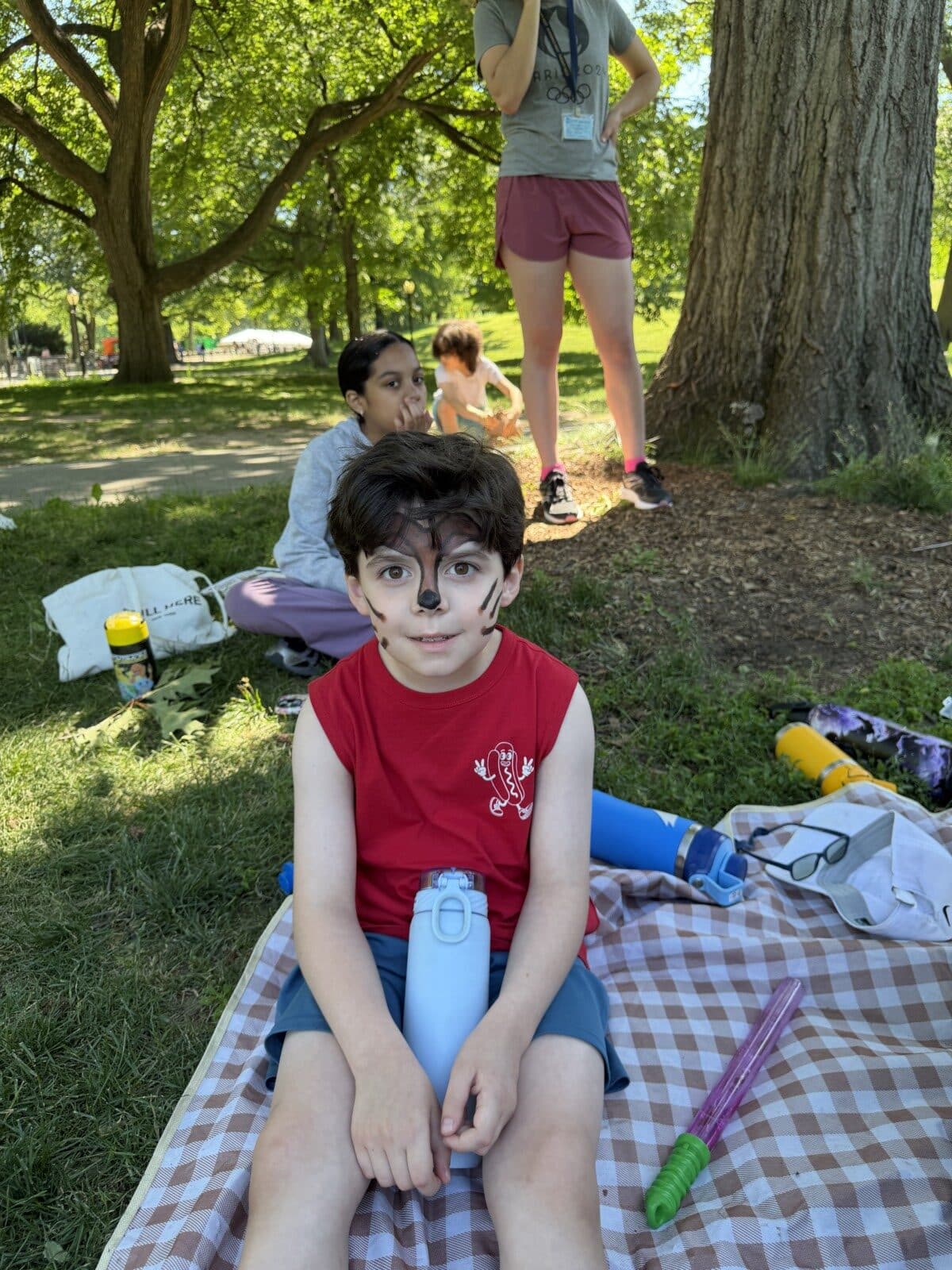
Summer vacation: the time children dream of all year. And while parents should let their children have some fun in the sun, they should also realize that children can lose crucial skills over the summer.
Summer learning loss is real. A recent study found that more than half of students in grades one through six lost academic skills over five summers. Sadly, research also shows that summer learning loss affects students with learning disabilities at a higher rate. In addition, students with learning issues can also lose hard-won gains in areas such as executive functioning, social skills, and emotional regulation.
This article helps parents understand how summer learning loss and summer regression affect students with learning disabilities. It also explains how summer offerings at therapeutic schools in NYC can help.
Summer Regression: More than Learning Loss
In the 1800s, few public schools had coordinated calendars. In the early twentieth century, education leaders introduced the standard nine-month school year. Today, over 95% of American children attend schools with summer breaks.
While summer vacation is an American tradition, unfortunately, students often lose academic skills over the summer. A study of summer learning loss in elementary students found that the average child lost roughly 20 percent of their reading knowledge and 27 percent of their math skills. This is often called “summer learning loss,” “the summer slide,” or “summer regression.”
The reasons for the summer slide are many, but experts often point to issues such as the fact that during the summer, students typically have:
- Fewer opportunities to practice reading, math, and other skills
- Less structure and routine
- Fewer opportunities for adult instruction and guidance
While most discussions of the summer slide focus on academic skills, other abilities can erode over the summer. Experts have also noted that the summer usually offers fewer opportunities for peer interactions, so social skills may be impacted. Other non-academic skills, such as executive functioning, can also decline over the summer months.
Bottom line: Summer often leads to the loss of academic and non-academic skills.
Summer Regression in Children with Learning Challenges: Why Parents Should Be Concerned
Parents of students with learning disabilities should pay special attention to summer learning loss for at least three reasons.
First, summer learning loss affects students with learning disabilities at a higher rate. In a study that followed students from kindergarten through fourth grade, researchers found that special education students lost far more learning over the summers than their non-special education peers.
Second, summer losses hurt students with learning challenges more. Generally, these students must work harder to make academic progress. As such, any loss over the summer is most costly because it took more effort to learn the skill the first time. In addition, it will generally take these students more time to relearn lost skills.
Finally, many learning disabilities predispose students to certain non-academic issues. Students with autism may struggle with a lack of routine and social interactions. Executive functioning issues are often associated with ADHD. Other students may struggle with emotional regulation. Losing three months of progress on these skills can be particularly harmful to students who are already struggling.
Signs of Summer Regression in Students with Learning Disabilities
It may be difficult to tell if your child is losing learning over the summer. After all, most parents are giving standardized tests on a regular basis. However, there are certain signs that parents can watch for, including:
Academic Issues
- New or increased difficulty with reading
- Difficulty reading or sounding out words that once were (or should be) familiar to them
- Increased difficulty with or resistance to putting ideas into writing
- Regression to counting on fingers or using manipulatives
Executive Functioning Concerns
- New or increased reliance on parents or siblings to complete tasks that were once second nature
- New or increased anxiety or resistance when transitioning between activities
- Forgetting to do their chores
- Inability to follow their standard morning routine
- Difficulty managing time
- Increased disorganization
Emotional Issues
- New or more frequent meltdowns
- Increased difficulty calming down or otherwise managing emotions
- Anxiety about returning to school
- Mood swings
- More arguments or fights with siblings
What Parents Can Do If They Suspect Learning Loss
If you suspect that your child is losing skills over the summer, don’t panic. There are many things that parents can do, such as:
Academics
- Try to identify where your child may have weakened instead of assuming that every skill has declined
- Gradually review skills before introducing new concepts
- Consider tutoring or other academic support programs
Executive Functioning
- Establish (or reestablish) daily household routines
- Use visual schedules and calendars to reduce reliance on memory alone.
- Break tasks and chores into manageable steps
Emotional Issues
- Remind them of the coping strategies taught by teachers and counselors during the school year
- Encourage your child to discuss any anxieties about returning to school
- Seek professional support if necessary
Preventing the Summer Slide: What Parents Can Do
Parents can get ahead of summer learning loss. For children with learning disabilities, a key tool is the 12-month Individualized Education Program (IEP). New York City offers Extended School Year (ESY) services in July and August. NYC’s ESY programs help children already in special education who need additional support to “prevent substantial regression” during July and August. Your student’s IEP team will decide if they are eligible.
Parents can also incorporate learning into the summer. There’s no need to make every day a “school day” – kids should still have fun! But including structured practice for skills like reading and math a few days a week can be effective. Even encouraging your child to read every day – even for a short time – can help students with dyslexia and other reading issues.
Additionally, remember to give students regular opportunities to practice their executive functioning, social, and emotional skills. The tips in the prior section, such as creating predictable daily routines, will also be helpful here.
Finally, parents should consider summer programs. Many therapeutic schools offer summer programs for students with learning difficulties. In addition to helping students with academic skills, these programs also help with executive functioning and social-emotional learning.
If you’re looking for a summer program for students with learning disabilities and other learning challenges, consider Academics West. Our summer semester serves students in elementary, middle, and high school. In addition to academics, our program includes play, fun, field trips, and more. Learn more by visiting our summer program’s webpage. To learn more about our academic-year program, take our virtual tour. Then call 212-580-0080 or use our online contact form to schedule a visit.