Attention Deficit Hyperactivity Disorder (ADHD) is one of the most diagnosed neurodevelopmental disorders of childhood. Although many people recognize the term ADHD, they often misunderstand its impact on children and their families. When parents and professionals fail to grasp the academic and social challenges these children face fully, the resulting disconnect can place significant strain on both the child and the family.
ADHD Prevalence and Gender Differences
According to the Centers for Disease Control, healthcare providers diagnosed approximately 11.3% of U.S. children between the ages of 5 and 17 with ADHD during that time. They identified the condition more often in boys (14.5%) than in girls (8.0%), which may reflect gender bias, such as the assumption that boys are more rambunctious, or biological differences. Girls with ADHD often go undiagnosed, especially when they show signs of inattentiveness rather than hyperactivity.
The Big Three: Executive Functioning, Impulsivity, and Inattention
ADHD stems from a persistent struggle with executive functioning. The brain uses this management system to plan, prioritize, regulate emotions, and stay organized. When this system doesn’t work properly, life becomes very challenging. For children with ADHD, each day can feel exhausting. Children with ADHD often show two primary patterns: impulsivity and inattention. Impulsivity can cause them to act without thinking through the consequences. Inattention often looks more like over-attention, where the child becomes overstimulated by everything happening around them. These patterns can contribute to a wide range of negative outcomes.
Children with ADHD tend to:
• Forget or lose things frequently
• Struggle to follow multi-step directions
• Have difficulty initiating or completing tasks
• Act impulsively without thinking through consequences
Take Liam, a 9-year-old boy recently diagnosed with ADHD. In class, his teacher asks students to take out their math books, complete the first page of work, and place their homework in the tray. While other children begin the task, Liam is still rummaging through his backpack. He forgot his math book, didn’t hear all the instructions, and is distracted by another student who is laughing outside the classroom. By the time he starts, the class has already moved on to another lesson. Situations like this are common, and they take a toll on self-esteem over time.
The Emotional Toll: Anxiety, Emotional Dysregulation, and Depression
What many people don’t realize is that ADHD significantly influences a child’s emotional world. About 50 percent of children who have ADHD also meet criteria for an anxiety disorder.
Kids with ADHD often experience:
• Anxiety, because they constantly feel behind, forget things, or get reprimanded
• Poor emotional regulation, leading to outbursts or overreactions to small problems
• Low self-esteem or depression, as repeated failures or social struggles mount
These emotional challenges shape how the child sees themselves in their world and, over time, can damage their self-worth, hinder interpersonal growth, and strain relationships.
Impact on Social and Academic Functioning
Socially, children with ADHD may struggle to interpret social cues or manage peer relationships. Girls, in particular, may internalize their symptoms, which makes the impact even harder to recognize.
Take Maya, a bright 11-year-old girl who rarely disrupts class but frequently daydreams and misses instructions. She often forgets to text back, doesn’t pick up on group dynamics, and talks too much when nervous. Eventually, her classmates start to exclude her from social activities, not because they dislike her, but because they feel she’s “just too much” or “hard to include.” Maya doesn’t understand why friendships fade and she begins to believe she is unlikable.
Kids with ADHD are often quite intelligent and capable. However, they may underperform because of the challenges of organizing, prioritizing, and executing a multitude of tasks throughout the day. The mismatch between their potential and their actual output can lead to frustration for teachers, parents, and, most importantly, the student.
Strategies for Children and Parents
While ADHD can be challenging, there are many tools to manage it effectively. With practice, those with ADHD can become better at scaffolding their areas of weakness.
For Children:
• Visual Schedules: Use pictures or checklists to break down routines and tasks into manageable steps.
• Body Breaks: Short movement breaks help manage restlessness and improve focus.
• Timers and Alarms: External cues can help kids stay on track and transition between activities.
• “First, Then” Language: Phrases like “First finish your math, then you can play Minecraft” set clear expectations and reward structure.
For Parents:
• Praise Progress, Not Just Results: Reinforce effort and small wins to build motivation and self-worth.
• Stick to Predictable Routines: Consistent schedules reduce stress and support emotional regulation.
• Communicate with Educators: Collaborate with teachers to create accommodations through a 504 plan or IEP.
• Stay Calm: Respond to challenges with understanding rather than frustration. Kids with ADHD aren’t misbehaving on purpose. They are doing the best they can with the tools they have.
It’s Not All Bad
ADHD involves more than just being easily distracted or energetic. It affects how a child thinks, feels, learns, and interacts with the world. When caregivers and educators provide the right support, children with ADHD can strengthen their emotional response, social awareness, and academic performance. By using effective strategies and practicing them consistently, kids with ADHD can thrive.
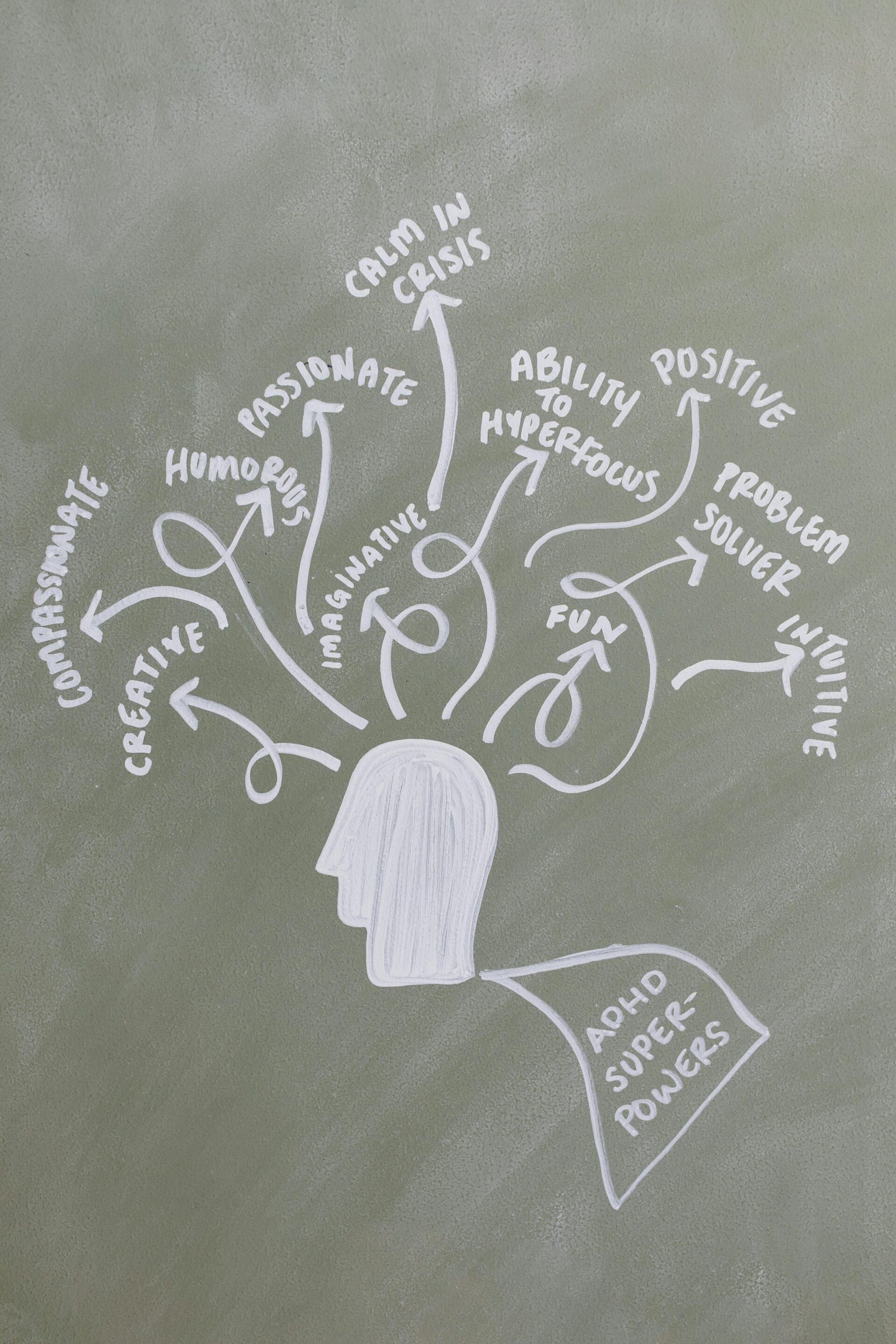
Let’s not forget that children with ADHD often bring creativity, passion, and original thinking to every space they enter. They frequently come up with solutions others might overlook. When a strong, supportive community surrounds them, they can tap into their full potential and move through life with confidence.
Looking To Learn More?
Check out our upcoming Virtual Open House. We host them monthly to give families a closer look at our unique academic and therapeutic model. We look forward to connecting with you!